

The Middle is Where Things Start to Shift
For the past couple weeks, I’ve had this nagging tug in the back of my mind since I hadn’t written my March blog that I normally release on the first Friday of the month. Ugh!
Every few days the thought would surface again. Usually at an inconvenient moment. Then the relentlessly familiar internal dialogue about how I should have already done it, how I was behind, how I needed to find the time followed.
But the truth is, I haven’t just been busy. I’ve been deep in something that has taken more time, energy, and bandwidth than I anticipated.

At the end of last year, I hired someone to help rebuild parts of my business—systems and programs that I was really looking forward to launching by now. When that work wasn’t completed, I spent weeks trying to get it back on track before ultimately making the decision to let her go, absorb the cost, and start over with someone new.
It has been one of those seasons where the work is constant but largely invisible, the kind that quietly takes over your days and leaves very little space for anything else. I could barely keep up with weekly newsletters and social media posts. Blog writing, which is usually something I look forward to, kept getting pushed aside.
As I finally sat down to contemplate this month’s blog, it struck me that this experience parallels a phase I see all the time with my clients when they begin to change their relationship with alcohol.
This phase is not the beginning where there is clarity and momentum, and not the point where everything clicks into place, but it's simply the part in between.
When the Beginning Wears Off
The beginning of any change tends to carry a certain kind of energy. Even when it is uncomfortable, there is movement, intention, and often a sense that something important has started.
But the middle is different.

The middle is where life continues, where the initial motivation softens, and where the results aren’t always obvious or immediate. It’s where people often begin to question whether anything is really changing at all.
I hear this frequently from clients who are a few weeks or months into not drinking. They tell me that they expected to feel dramatically better by now, and instead they feel…fine, or unsettled, or simply not as different as they had hoped.
And that can be confusing.
Why if Can Feel so Confusing
Part of what is happening in this phase is neurological, although we aren’t typically aware of this.
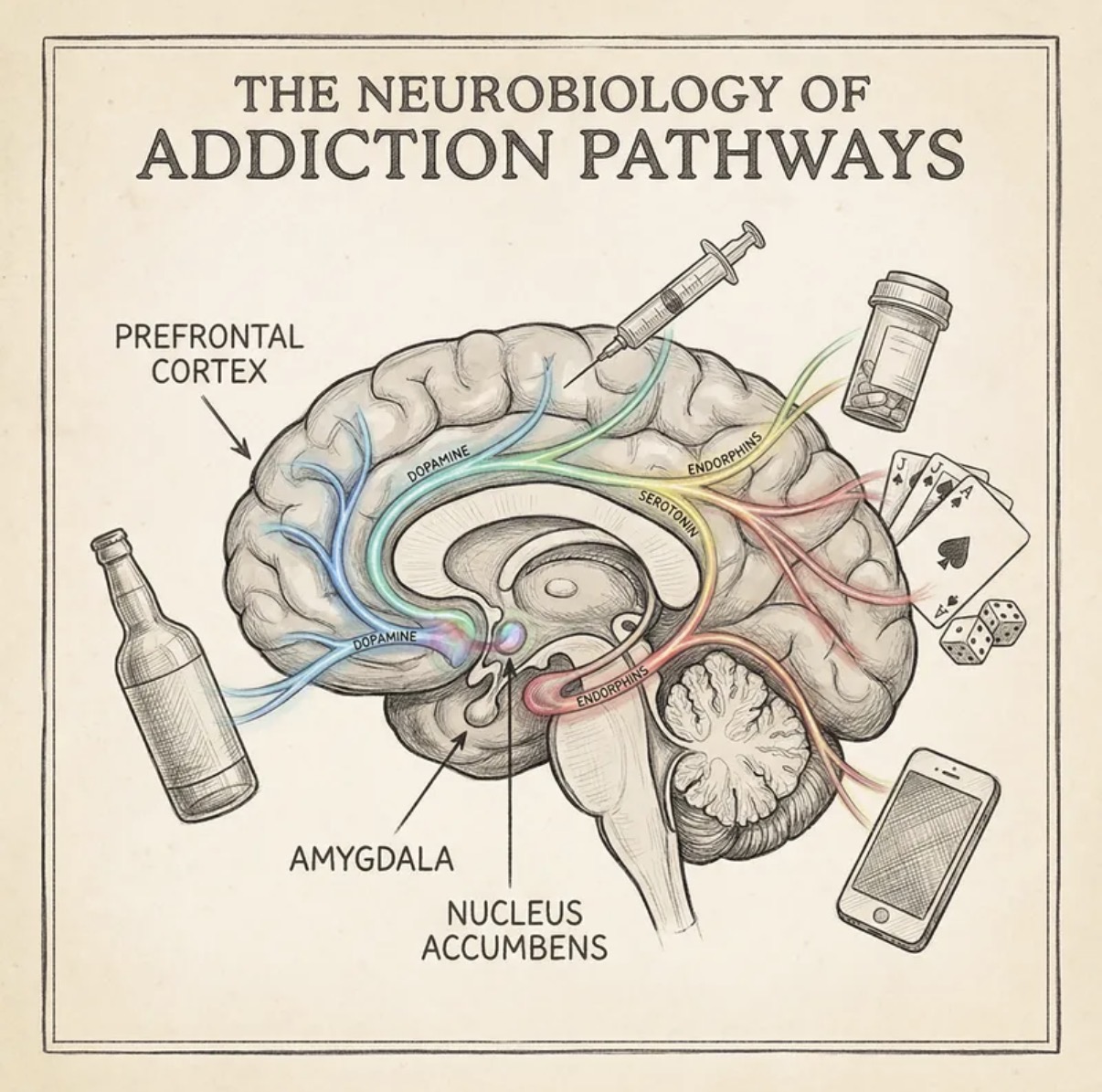
Alcohol creates a temporary increase in dopamine, which signals reward and relief, but over time the brain compensates by increasing dynorphin, which dampens that effect and contributes to the cycle of needing more to feel the same sense of ease.
When alcohol is removed, the brain does not immediately rebalance. There is a period where dopamine activity is still lower and dynorphin is still active, and as a result, your baseline mood can feel flatter than expected.
This isn’t necessarily bad, but it’s not particularly rewarding either.
And in this state, the brain naturally begins to look for what it recognizes as a recognizable solution.
When your Brain tries to Pull you Back
And it’s in this phase when those thoughts begin to surface.

That maybe it wasn’t that bad before, or that perhaps moderation would be possible, or that the change you are making isn’t actually doing anything meaningful.
But these thoughts aren’t necessarily a reflection of reality. They’re often just a reflection of a brain that is in the process of recalibrating and trying to return to what feels familiar...and safe.
Our brains don’t like change. Change is scary. The familiar is safe.
This isn't just about Drinking
I have noticed a version of this in myself over the past few weeks, not in relation to alcohol, but in the way my mind has wanted to interpret what has been happening in my business.
It would have been easy to tell myself that I was off track or that I had made a mistake, when in reality I was simply in a phase that required more patience and persistence than I had planned for.
That is what the middle often is.
It’s not particularly exciting, and it rarely offers clear evidence that things are improving, but it is the place where deeper change begins to take hold.
It’s where you start to notice your patterns with a little more distance, where you feel an urge and begin to realize that you have a choice in how you respond, and where new ways of coping and unwinding start to emerge, even if they are not yet fully formed.
This kind of change is quieter, but it is also more sustainable.
A Season for This
March has always felt like this to me.
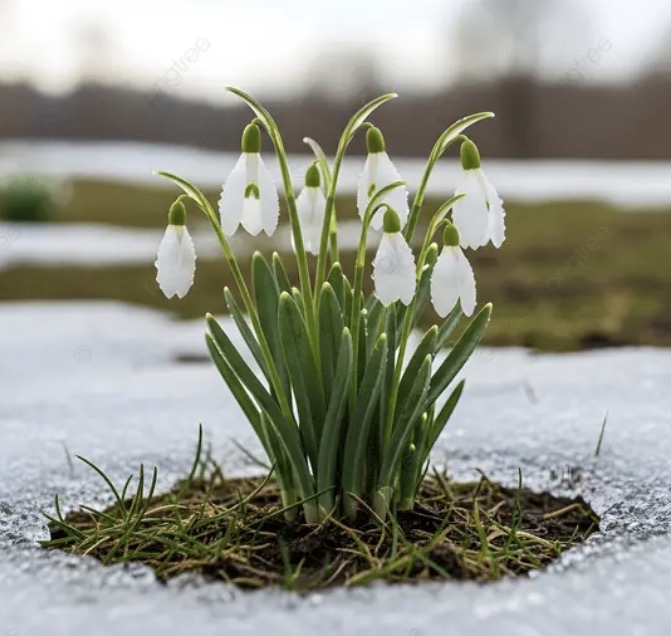
It sits between seasons, not quite winter and not quite spring, and although there are signs that something is shifting, most of the change is happening beneath the surface, out of view.
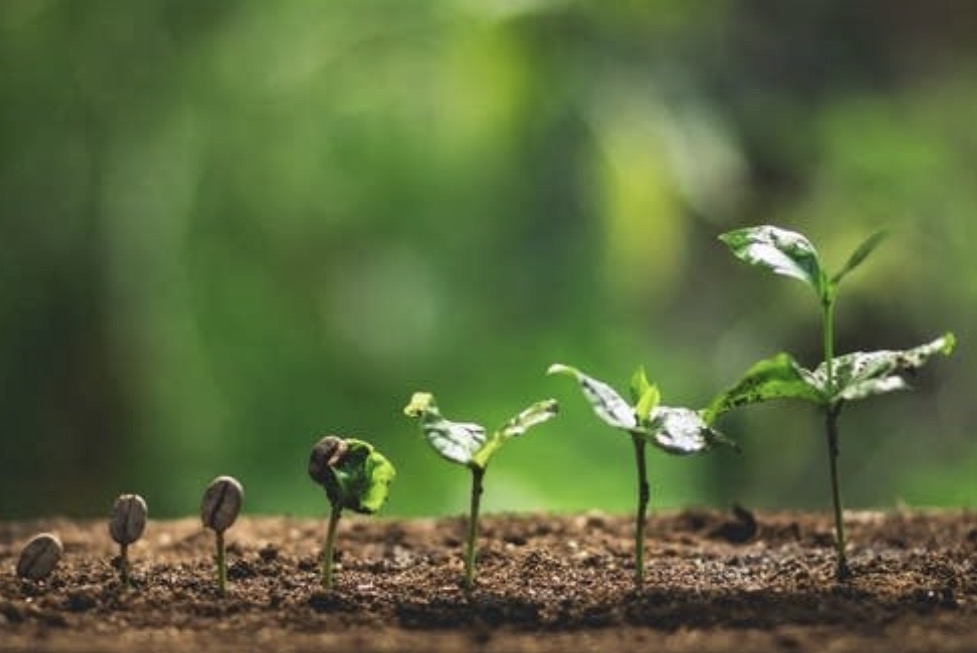
In many ways, this phase of personal change is no different.
If you find yourself in this space, wondering whether anything is really happening, it may be worth considering that this is not a pause in progress, but that it’s just part of the process.
It’s not the most visible part, and certainly not the most comfortable, but it is an essential one.
And often, it’s where things begin to shift in ways that last.
If You're in this Space
If you are navigating this phase and finding it more challenging than you expected, this is exactly the kind of work we explore inside the 30-Day Reset—understanding what is happening beneath the surface so that the changes you are making are not just temporary, but sustainable.


Please subscribe to Insights, our weekly newsletter for updates about events and more tools and tips for finding AFreeLife!



Joy Stieglitz is a certified Wellness Coach who specializes in helping sandwich generation people change their relationship with alcohol and/or other unwanted habits to find true freedom and joy in their life. Alcohol Free since November 2019, Joy brings valuable insights into her practice. AFreeLife Coaching is a safe space where all are welcome to explore their desire for health, wellness, and personal growth regardless of where they are or want to go on their journey, and regardless of age, race, gender, sexual orientation, religious affiliation, or any other social construct.
© 2026 - AFreeLife - All Rights Reserved - Terms of Service - Privacy Policy