



Why You Go Back to Drinking Even When You Don’t Want To
For years, decades in fact, I kept proving to myself that I could stop drinking…and then going right back to it.
I would take breaks for a week or two here and there, usually fueled my my exertion of willpower. I’d tell myself I just needed to reset, to get back in control, to show myself I didn’t need it.
And in those stretches, I did feel better. My sleep improved. My mood leveled out. I'd return to regular exercise and better eating. Sometimes I'd even shed a couple unwanted pounds. Things felt clearer, lighter, more manageable.
But it didn’t last. It never lasted.
Because as soon as I let my guard down, I went right back.
I even had notable year-long stretches where I wasn’t drinking at all, not because I was trying to change my relationship with alcohol, but because I was pregnant or nursing.
And during those times, I had direct, lived experience that I could feel completely fine without alcohol. I could go to social events, relax, connect, and enjoy myself without it.
And still…when each of those chapters ended, I went right back to drinking. Again.
Even knowing what I knew. Even feeling what I had felt.
For a long time, that made no sense to me.
It wasn’t about willpower
If willpower were the answer, those early breaks would have “worked.”
But they didn’t.
Because it wasn’t that I wanted to drink so badly that I couldn’t stop. It was that in certain moments, I didn’t know how not to.
There was so much happening beneath the surface in those decisions.
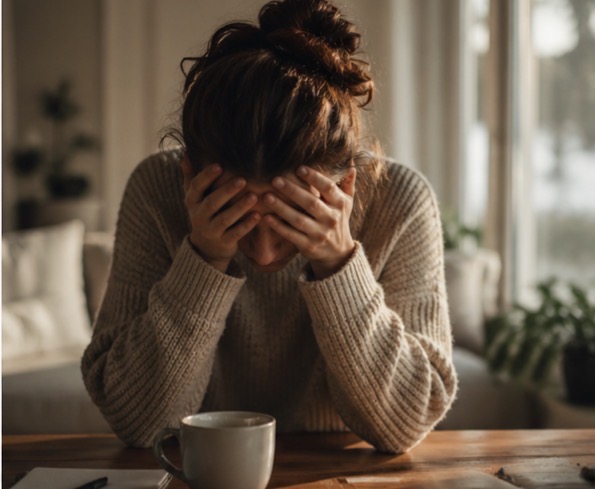
I worried that if I didn’t drink, people would think I had a problem. That I was an “alcoholic.”
I worried that I’d be a wet blanket on everyone else’s fun.
I worried that my not drinking would shine a light on how much others were drinking—and that they’d feel uncomfortable, or worse, judged.
And I definitely didn’t want that.
So instead of navigating all of that noise in my head, I did what felt easier in the moment.
I drank.
Again.
Even when I had already seen glimpses of how much better I could feel without it.
The real reasons we go back
When I look back now, and when I listen to my clients, it becomes clear that going back isn’t random...and it’s not a failure. It’s the result of a few very real, very human forces working together.
Social pressure (even when it’s subtle)
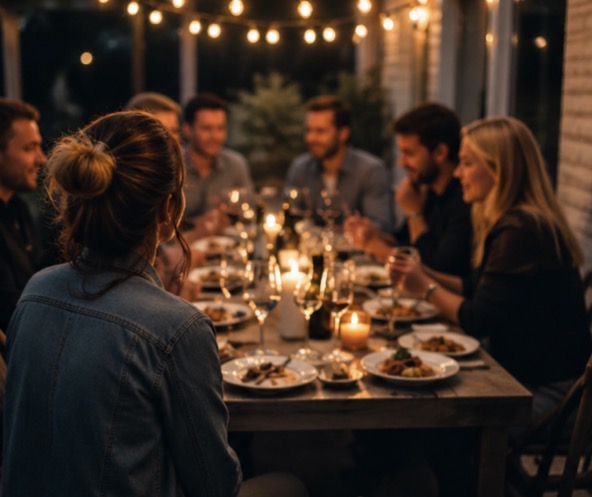
Most of the pressure I felt wasn’t something anyone said out loud. It was internal: the anticipation of questions; the imagined reactions; and the desire to just blend in and not make things complicated.
It felt easier to participate than to stand out.
Emotional relief
There were also plenty of days where I simply wanted to take edge off. I was juggling kids, career, aging parents, and endless demands. And with the stress, overwhelm, and the mental load of life…alcohol was a quick, familiar way to shift how I felt, even if only temporarily.
And, when you don’t yet have other tools in place, that pull is strong.
The way your brain learns patterns
There’s also a physiological piece to this that matters. Over time, your brain begins to associate alcohol with relief, reward, and transition—especially at certain times of day or in certain environments. So even if part of you consciously wants something different, another part of your brain (your deeply held subconscious thoughts and beliefs) are already moving you in that direction.
That’s not a lack of discipline. It’s simply social, emotional, and mental conditioning.
Why moderation kept me stuck
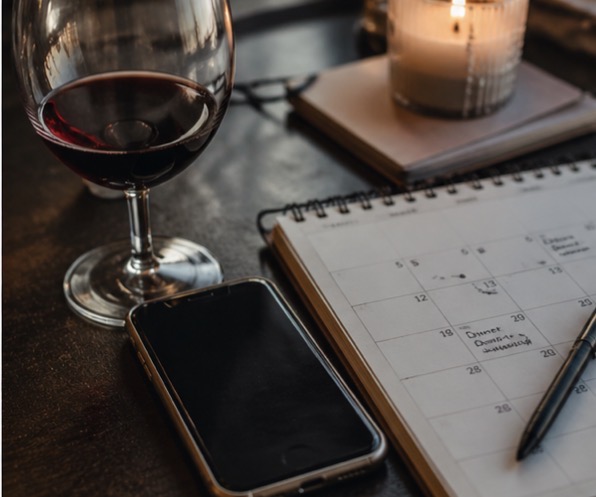
For a long time, I thought the answer was to just “figure out how to do it better,” and with more rules.
Drink less.
Drink more mindfully.
Only on certain days.
But what I didn’t realize was how much space that took up in my mind.
I was constantly thinking about drinking, and not drinking.
Negotiating with myself. Deciding, re-deciding, and then reflecting—or perhaps more accurately stated—beating myself up, afterward.
Alcohol always stayed at the center of everything, even when I was trying to control it.
And in many ways, that kept me more stuck than anything else.
The part no one talks about
Going back doesn’t mean you’ve failed.
It means you’re still navigating all of this—socially, emotionally, and neurologically—without a clear alternative yet.
Every time I went back, there was information there. I just didn’t know how to use it.
It took me a long time to stop making those moments mean something about me, and start getting curious about what was actually happening.
What started to shift

Things began to change when I stopped making it about forever.
When I stopped trying to get it “right,” and instead gave myself space to observe.
What happens if I step away for a short time, not as a rule, but as an experiment?
What do I notice in my body, my mood, my sleep?
What’s really going on in those moments where I would normally drink?
Sometimes the most helpful thing isn’t trying to fix everything at once. It’s simply removing one variable long enough to see more clearly.
You’re not broken
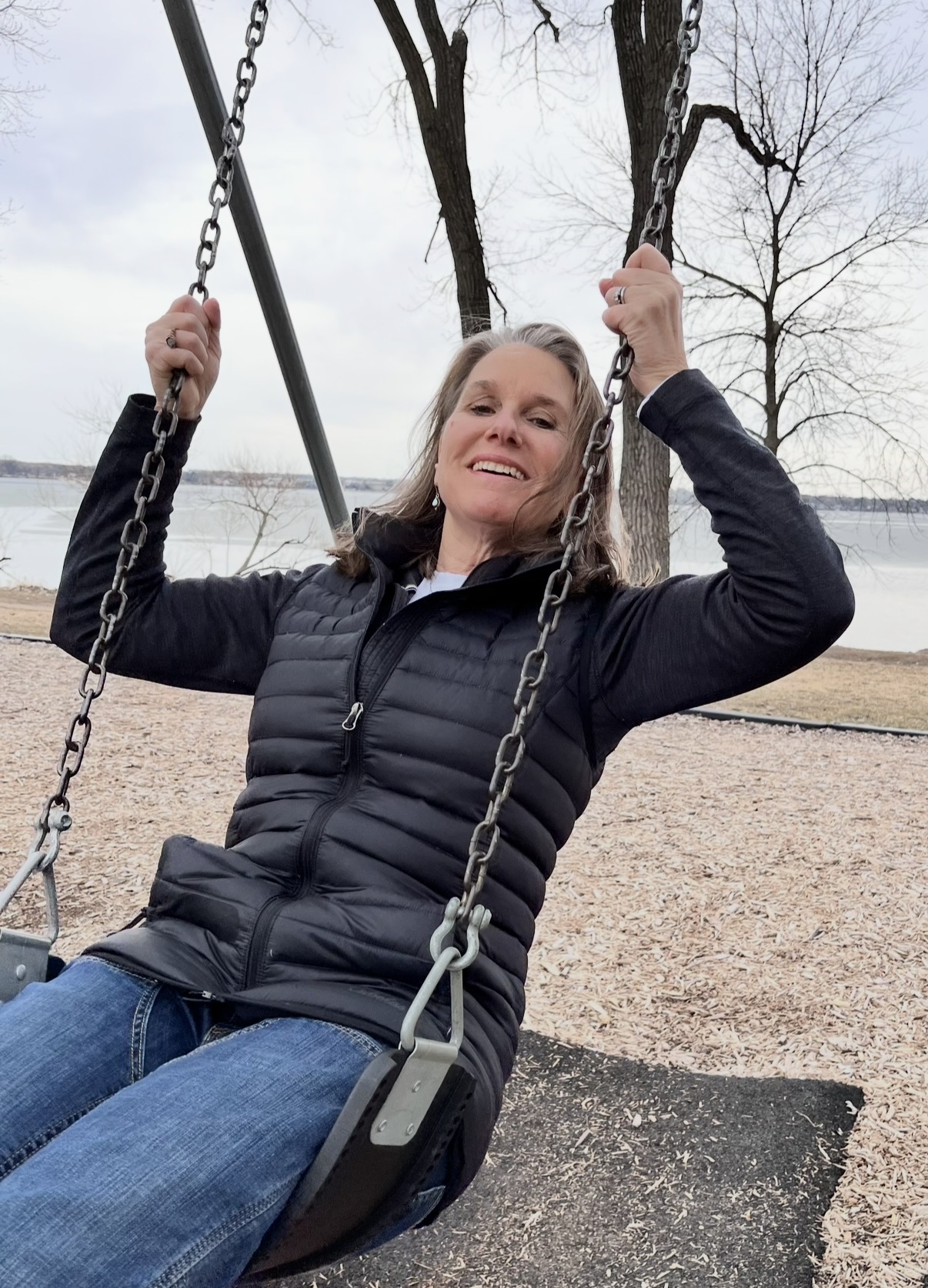
If you see yourself in any part of this, I hope you hear this clearly:
There is nothing wrong with you.
You are responding in a very human way to a very normalized substance, in a culture that makes it both expected and invisible at the same time.
But that doesn’t mean you’re stuck here.
With awareness, with support, and with a different approach, things can begin to shift.
A place to begin
If you’re in that space right now—questioning, going back and forth, noticing something but not quite sure what to do next—I want to offer you something simple.
My free 7-Day Experiment isn’t about quitting forever. It's just a chance to:
Notice what changes.
Understand your patterns a little more clearly.
Give yourself some space to see what’s really going on.
It’s just a chance to step out of the pattern for a short time and start paying attention.


Please subscribe to Insights, our weekly newsletter for updates about events and more tools and tips for finding AFreeLife!



Joy Stieglitz is a certified Wellness Coach who specializes in helping sandwich generation people change their relationship with alcohol and/or other unwanted habits to find true freedom and joy in their life. Alcohol Free since November 2019, Joy brings valuable insights into her practice. AFreeLife Coaching is a safe space where all are welcome to explore their desire for health, wellness, and personal growth regardless of where they are or want to go on their journey, and regardless of age, race, gender, sexual orientation, religious affiliation, or any other social construct.
© 2026 - AFreeLife - All Rights Reserved - Terms of Service - Privacy Policy